
Diet for Patients with Autoimmune Diseases
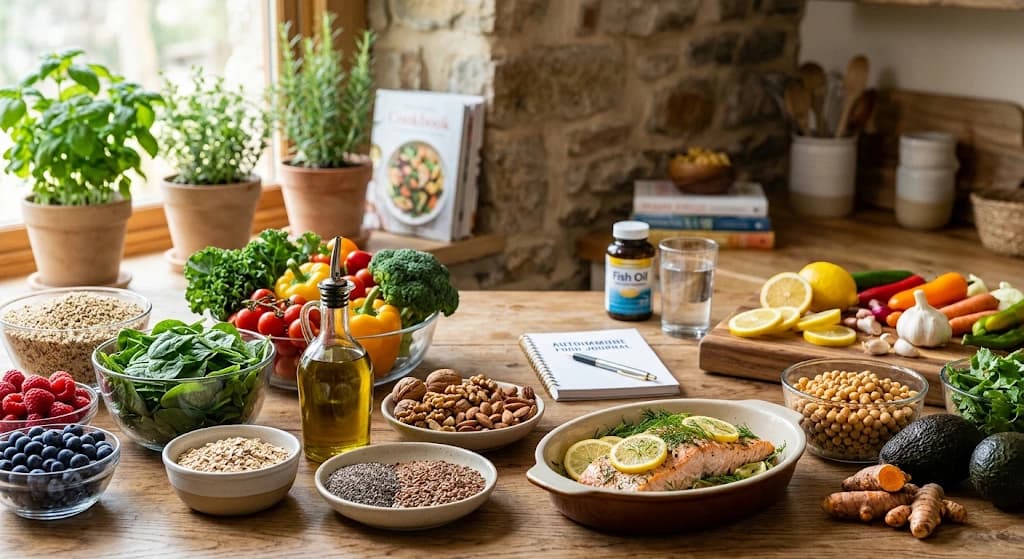
Everyday nutrition for autoimmune health
Living with an autoimmune condition, whether it affects your skin, joints, gut, or whole body, means your immune system is working overtime. While no diet can cure an autoimmune disease or replace your prescribed medications, the foods you eat every day play an important supporting role.
Eating a balanced, nutrient-dense diet can help lower baseline inflammation, protect your gut health, boost daily energy, and reduce your risk of long-term health complications like heart disease or bone loss.
Here is an easy-to-follow, evidence-based guide to help you nourish your body safely.
The core strategy: choose "anti-inflammatory"
Medical guidelines from organizations like the American College of Rheumatology (ACR) and the American Academy of Dermatology (AAD) favor a Mediterranean-style eating pattern.
Instead of restrictive rules or counting calories, this approach focuses on adding rich, wholesome foods to your plate every day:
- Plenty of colorful fruits and vegetables: Aim for a rainbow of colors (berries, leafy greens, carrots, tomatoes, bell peppers). They are packed with antioxidants that protect your cells from damage.
- Healthy fats: Use extra-virgin olive oil as your primary daily cooking oil. Include avocados, nuts (walnuts, almonds), and seeds (chia, flaxseed, pumpkin).
- Omega-3 rich foods: Cold-water fish like salmon, sardines, trout, and mackerel are packed with omega-3 fatty acids, which naturally help calm inflammatory pathways in the body.
- Whole grains: Pick intact grains like oats, brown rice, quinoa, and farro over refined white flour.
- Plant-based proteins: Beans, lentils, chickpeas, and tofu deliver fiber and clean protein without heavy saturated fats.
Foods to enjoy vs. foods to limit
Focus on adding more of these
- Fatty fish (2 to 3 servings a week) or plant-based omega-3s (ground flaxseed, chia seeds, walnuts).
- High-fiber foods like legumes, whole grains, and leafy vegetables to support a healthy gut microbiome (where over 70% of your immune system lives).
- Anti-inflammatory spices like turmeric and fresh ginger in your everyday cooking.
- Calcium and Vitamin D rich foods (low-fat dairy, fortified plant milk, or leafy greens) to protect bone health, especially if taking steroids like prednisone.
Try to reduce these
- Ultra-processed foods & added sugars: Packaged snacks, sugary sodas, and baked goods cause blood sugar spikes that trigger inflammation.
- Saturated and trans fats: Heavy cream, butter, fried foods, and fatty red meats can raise cholesterol and promote inflammatory signals.
- Excess salt: High sodium intake can contribute to high blood pressure and increased immune cell activity.
- Excess alcohol: Alcohol can irritate the gut lining, dehydrate the skin, and cause liver toxicity when mixed with certain autoimmune medications like methotrexate.
Important spotlights: special conditions & myths
1. Specific food warnings
- Lupus & alfalfa: If you have lupus, avoid alfalfa sprouts, seeds, and supplements. Alfalfa contains an amino acid (L-canavanine) that can overactivate the immune system and cause severe flares.
- Psoriasis & weight management: Weight loss and maintaining a healthy weight significantly improve psoriasis symptoms and make systemic treatments work better, as excess fat tissue actively releases inflammatory proteins.
2. Common diet myths
- "Should I cut out nightshades?" Vegetables in the nightshade family (tomatoes, potatoes, eggplants, peppers) are rich in vitamins and antioxidants. There is no strong scientific proof that nightshades cause joint or skin flares. Don't cut them out unless you track a clear, repeatable personal trigger.
- "Does everyone need to go gluten-free?" Unless you have a confirmed diagnosis of Celiac disease or a non-celiac gluten sensitivity, cutting out gluten isn't medically necessary and can lead to missed nutrients.
- "Do immune-boosting herbs help?" Be cautious with supplements like Echinacea or concentrated garlic extracts. Because they aim to "boost" the immune system, they can actually trigger an unwanted autoimmune flare. Always check with your doctor before taking herbal supplements.
4 easy steps to get started
- Add before you subtract: Focus on adding one extra serving of vegetables to dinner or swapping butter for extra-virgin olive oil.
- Keep a symptom diary: Track your meals alongside joint pain, skin redness, fatigue, or stomach upset for a few weeks to spot any personal food sensitivities.
- Protect your treatment plan: Never pause or stop taking your prescribed medications in favor of a new diet. Diet works with your medical treatment, not as a replacement.
- Work with a specialist: Ask your care team for a referral to a Registered Dietitian who specializes in chronic or inflammatory conditions for personalized guidance.
References
- American College of Rheumatology (ACR) Integrative Guideline: England, B. R., Smith, B. J., Baker, N. A., Barton, J. L., Oatis, C. A., Guyatt, G., et al. (2023). 2022 American College of Rheumatology Guideline for Exercise, Rehabilitation, Diet, and Additional Integrative Interventions for Rheumatoid Arthritis. Arthritis Care & Research, 75(8), 1603–1615.
- American Academy of Dermatology (AAD) & National Psoriasis Foundation Guidelines: Elmets, C. A., Korman, N. J., Prater, E. F., Wong, E. B., Rupani, R. N., Kivelevitch, D., et al. (2019). Joint AAD-NPF guidelines of care for the management and treatment of psoriasis with awareness and attention to comorbidities. Journal of the American Academy of Dermatology, 80(4), 1073–1089.
- Lupus Foundation of America: Lupus Foundation of America. (2024). Eating Healthy When You Have Lupus. Medical and nutritional educational guidance.
- National Psoriasis Foundation (NPF): National Psoriasis Foundation. (2023). Diet and Nutrition Recommendations for Psoriatic Disease.
This post is for general educational purposes and is not a substitute for individual medical advice.